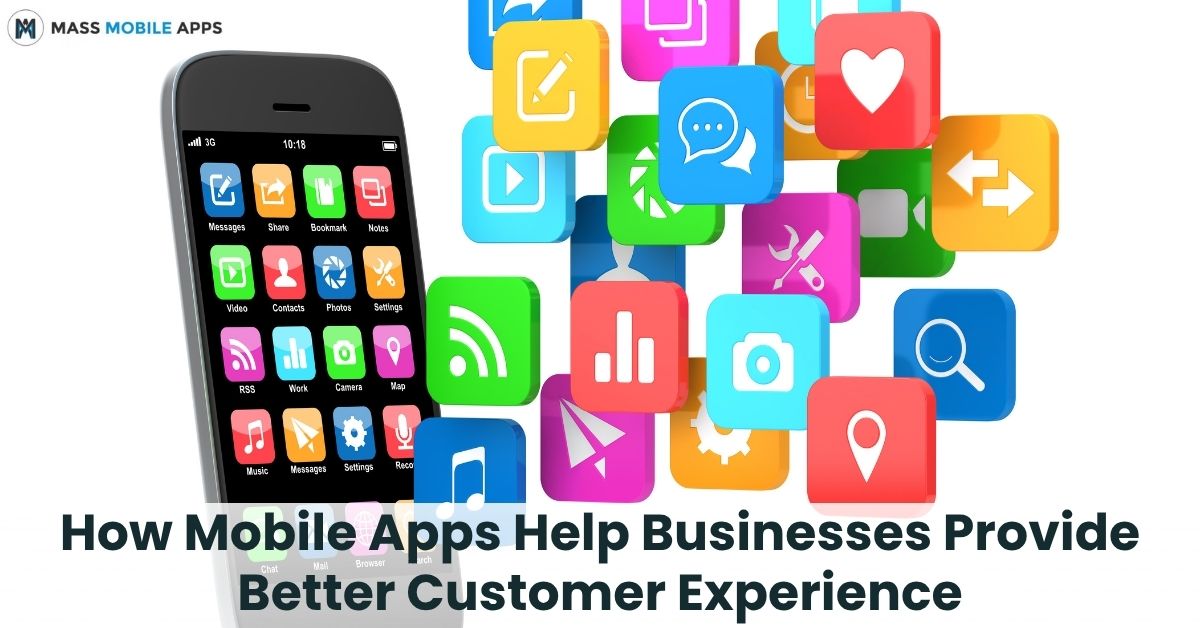
How Mobile Apps Help Businesses Provide Better Customer Experience

white label mobile app

Think about the last time a business genuinely impressed you. Not just did their job — actually made things easy. Chances are, some part of that experience happened on your phone.

The gap between businesses that have a mobile app and those that don’t is widening — and customers feel it. The friction of a slow website, digging through emails for a loyalty code. It adds up. At some point, they just go somewhere easier.

Your customers are already on their phones

The phone is where decisions get made now. Where to eat, whether to reorder, if a same-day appointment is available. That conversation is happening on a device, usually in under two minutes.

A white-label mobile app doesn’t just give you a presence — it gives you a shortcut. Something sitting on a home screen gets used. A website someone has to remember to search for, less so.

Speed and convenience are the experience

Pages that take four seconds to load, checkout flows that ask for the same information twice, loyalty points buried in a confirmation email — customers don’t complain. They just don’t come back.

Apps are built differently. They’re faster by design, they remember what customers have told you, and they cut the repeated steps that erode goodwill. A returning customer shouldn’t have to re-enter their address. And getting there doesn’t require hiring a full app development agency or sitting through a six-month build.

Push notifications done right

Email open rates hover around fifteen to twenty per cent. Push notifications? Significantly higher — and they land directly on the lock screen. A reminder that a table is ready, a flash sale heads-up, a loyalty reward that just unlocked. Things customers actually want to know.

Spam kills app engagement fast. But a well-timed, relevant message reaches someone who’s not even thinking about you yet, and pulls them back in.

How apps improve the customer experience

FeatureWhat It DoesCustomer Benefit
Push NotificationsDirect, real-time messages to deviceTimely updates without checking email
Loyalty ProgramsIn-app rewards tracking and redemptionFeels recognised, keeps coming back
Saved PreferencesRemembers orders, addresses, settingsFaster transactions, less friction
In-App SupportChat, FAQs, or booking built into appGets help without leaving the experience
PersonalisationTailored offers based on behaviourRelevant content, not generic promotions

Loyalty programs that actually get used

Paper punch cards get lost. But a loyalty program built into an app? Customers can check their points, redeem rewards in seconds, and see what they’re working toward. That visibility changes behaviour.

For small businesses that can’t compete with big-box marketing budgets, a loyalty program inside a white-label mobile app levels the playing field.

The cost question — and why it’s shifted

For a long time, having a custom app was a big-company thing. Mobile app development cost could run into the tens of thousands. That’s changed. Platforms built around a no-code app builder model have made it genuinely accessible. And for businesses that want more control over branding, a white-label platform like Mass Mobile Apps lets you launch under your own name without the cost of custom development.

If you’re working with an app design company or a reseller platform, a lot of the infrastructure is already built. You’re configuring and customising — a fraction of the time and cost.

Practical mobile app development tips

The most common mistake is treating the app like a shrunken website. People use apps differently — they’re faster, more intentional, less patient with clutter.

The best mobile app development tips are about restraint. Focus on the two or three things your customers do most often and make those frictionless. For a restaurant, that’s ordering and reservations. For retail, browsing and loyalty. Get those right first.

This is where working with experienced custom app developers — or a platform built for fast iteration — pays off. The ability to update quickly based on real customer behaviour is more valuable than shipping features nobody asked for.

The trust factor

A customer who downloads your app has made a small commitment — they’ve given you space on their phone. In return, they expect something that works, feels considered, and makes their life easier. When the app delivers, trust builds. And trust turns a first-time buyer into a regular, and a regular into someone who tells their friends.

Where to start

Mass Mobile Apps offers a free demo so you can see exactly what’s possible before committing. No pitch deck, no pressure — just the actual product in your hands.

Your customers are already on their phones. The question is whether your business is there with them.

FAQs

Q1. Do I need technical experience to build a mobile app?

No. A good no-code app builder handles the heavy lifting. If you can update a website, you can manage an app.

Q2. What’s a white-label mobile app?

A ready-made app you brand as your own. Infrastructure’s built — you add your logo and content.

Q3. How much does mobile app development cost?

Depends on the approach. Custom builds run high. White-label and no-code options are a fraction of that.

Q4. What features matter most for customer experience?

Push notifications and loyalty programs. Don’t overbuild — get the core two or three things right first.

Q5. Does my business actually need an app?

If your customers come back more than once, probably yes. Repeat visits and loyalty are where apps earn their keep.
What is a Demo Application and Why Use it?

Demo Application

Most app ideas don’t die because they were bad. They die because someone built the wrong version of a good one. That’s what happens when you skip the part where you test the thing before committing fully. Months of work, real money, a launch — and then you find out the flow doesn’t make sense to anyone but you.

A demo application exists to prevent exactly that.

So, what even is a demo application?

A demo application is a working but limited version of your app. It’s not a wireframe or a slide deck. It’s an actual, clickable, functional thing you can hand to someone and say, “Here. Try this.” It doesn’t do everything the final app will. That’s the point — a demo exists to test an idea, not finish it.

For people jumping into mobile app design for the first time, a demo is where things click. You stop imagining the app and start actually using it.

Why is it so important — especially early on

You describe what you want. The developers build it. And when you see it, something’s off. Not broken, exactly — just not quite right. You can’t fully know what you want until you’re using something real.

A demo short-circuits that problem. Instead of discovering issues after the full build, when fixing them is expensive, you find them early when changing course is still cheap. For products like restaurant apps, where a bad experience means a customer closes the app and never comes back, getting the flow right before launch is the whole job.

Demo App Types at a Glance

Type of DemoKey FeatureBest Used For
Clickable PrototypeNavigable screens, no real backendTesting user flow and layout early on
Functional DemoReal interactions with limited featuresGetting honest feedback from actual users
MVP DemoCore feature set, fully workingInvestor pitches and early validation
White Label DemoRebranded base product, customisable UIEvaluating a reseller mobile app before committing

Who’s actually using demos right now?

More people than you’d expect. Small businesses exploring reseller mobile app options use demos to figure out which platform fits their workflow. Entrepreneurs want to see if their concept holds water. Startups use demos to raise money — because showing beats telling every time.

If you’re working with a white-label reseller model, a demo is how you check whether the base product is actually worth reselling. The demo isn’t a luxury. It’s common sense.

The money question

When people research iOS app development cost, they find a wide range. A focused demo might run a few thousand dollars. A more complex one could reach ten thousand or more. That sounds steep until you compare it to full-scale rework post-launch — which isn’t just expensive, it’s embarrassing.

A demo is essentially insurance. Not the boring kind — the kind that actually pays out.

What makes a good demo?

The best demos focus on the core user journey — not every feature, just the most important ones. They feel real enough to get honest reactions from real people. And they’re built fast enough that changes are still cheap.

A good custom app development company will scope this properly — not so stripped down it’s useless, not so built-out it’s basically the final product.

When a demo is especially worth it

Building your first app? Do a demo. Entering a new market, like building restaurant apps when you’ve only done productivity tools? Do a demo. Trying to get buy-in from investors? Do a demo — a live product is more convincing than any slide deck.

Planning a white-label reseller arrangement where clients rebrand your product? Still do a demo. You need to know the experience holds up before someone else puts their name on it.

What comes next

After the demo, you gather feedback — what users struggled with, what they loved, what they ignored. Then you build something sharper. The full build, whether it’s a reseller mobile app, a consumer platform, or something custom, comes out cleaner when grounded in real feedback.

That’s why Mass Mobile Apps lets people try a demo before committing. You can move through the screens, see how the platform behaves in real time. No contracts, no pressure — just a chance to test the experience.

The demo isn’t a detour. It’s the fastest route to something that works.

Conclusion

A demo application buys you understanding. Not a guarantee, but an honest look at whether your idea works the way you think it does. Whether you’re figuring out iOS app development cost, exploring a white-label reseller platform, or evaluating a reseller mobile app, the demo is where assumptions get replaced with real answers.

Start with the demo. Build the rest from what you learn.

FAQs

What is a demo application?

A demo application is a simplified, interactive version of an app that shows how the final product might work.

Why do companies use demo apps?

They help teams test ideas, gather feedback, and visualise the app before full development begins.

Is a demo app fully functional?

Not usually. It focuses on the interface and flow rather than complete backend systems.

Do demo apps help reduce development risk?

Yes. Testing concepts early helps teams identify problems before investing heavily.

Who should test the demo?

Real people from your target audience — not just your internal team.

Build Your Business Faster: White Label & No-Code Apps

Build Your Business

A small business that started a few years ago now wants to go online. But many businesses cannot accommodate large-scale online branding or heavy development costs. What can help them? A white-label app or a no-code app! Let’s find out how they help.

 White-Label and No-Code App Development

Once, mobile app development was a specialisation of tech experts that required huge investments. However, recent developments in white label app and no-code apps have driven the change differently, with faster and less complex tech solutions. These two together have immense potential to rebrand and bring businesses to the online market. They are suitable for diverse types of businesses, including hospitality, hospital, cloud kitchen, and e-commerce brands.

Difference Between White-Label & No-Code Apps”

A white-label mobile app helps businesses launch their own brand online. The app has built-in features that can be customised without any core tech, as they already exist. Such apps are available with a mobile app development platform that specialises in third-party integration and app building for iOS or Android.

A no-code mobile app is basically developed by users themselves through a no-code app builder platform. This lets you customise your elements for a mobile app, enabling greater freedom for visual building than a white-label app. You can simply drag and drop various ready-to-use elements, simplifying the mobile app development.

These two custom mobile app development options are revolutionising businesses without high-level tech innovation.

Advantages of White Label & No-Code Mobile App Development

White-label no-code app builder removes many barriers between small business owners, software developers, and the whole team of a mobile app development company. They are fast, least expensive, and resource-light business app solutions compared to traditional app development. They are proving a boon to startups, vendors who want to go online, food outlets, and hospitals. Let’s check out more advantages:

  • Less time in launching the app, almost a week with no code apps, and readily available with white-label apps
  •  No need to spend huge amounts of money on a custom mobile app development, particularly for your business
  •   End-to-end complete branding with your business logo, colour scheme, and vision
  •   Easy to scale when your business grows to other cities
  •   Reduced dependence on app building company
  • It lets you test different modifications with ease, helping you conveniently launch an SME or small business
  • Instead of wasting time on mobile app development, focus on growing your business

Traditional App Development vs White-Label &No-Code

AspectCoded App DevelopmentWhite-Label No-Code Apps
Development Time4–9 months2–6 weeks
CostHighSignificantly lower
Skills RequiredAdvanced codingMinimal or none
BrandingFully customFully custom, faster
ScalabilityRequires redevelopmentBuilt-in scalability
MaintenanceOngoing developer supportPlatform-managed updates

What Are the Limitations of a No-Code Mobile App Builder?

If you are looking for custom mobile app development, no-code apps provide an effective solution. However, they may not suit complex customisation that requires high-level coding by software developers. There are some proprietary algorithms and specialised workflows that can be solved with the expertise that only an app building platform offers.

Conclusion

The future of businesses is not writing code but offering smart services in less cost. The white-label mobile app, with its built-in features, offers a custom branding to businesses for going digital, while no-code lets them build smarter.

If you are looking for a white-label app reseller or a no-code app builder, check out Mass Mobile App Stay competitive at no cost!

FAQs

1.  What is white label mobile app?

A white-label app is an application for Android, web, or iOS that is developed by a mobile app developer as a third party. Businesses can buy the mobile application online, customise it according to their needs, or even resell it. You can modify the logo, colour, theme, and menu features. The white-label apps are budget-friendly for new businesses.

2.  How does the white-label app work?

The white-label apps for Android or iOS are developed by mobile app agencies or software developers. They are blank apps you can fill with whatever you choose, making them easy, fast, and cost-effective. They are developed with the intent of reselling the app to small businesses like restaurant app, e-commerce app, or food outlet apps. You can choose your own online mobile app branding to personalise your business.

3.  What is a no-code app builder?

A no-code mobile app builder may be an app development company, platform, or third-party service. It enables users to build their own custom mobile apps with the help of drag and drop elements. This helps business owners without any coding knowledge make a custom app for their business. You can make a no-code app for web, iOS, or Android systems.

4.  How to build a no-code application for Android?

With the help of no code app building platform, you can create your own business app without coding or programming knowledge. You can choose a visual theme, drag and drop menu, features, and designs. The application will look and function exactly like an app developed by software developers. The no-code builder app is good for time-saving and budget business tools, e-commerce apps, or integrated third-party tools.

5.  Is white label app different from no code app?

Yes, no code app and white label app are different. The no code apps are a way of making a custom app for your business without coding/programming, while white-label apps are like plain paper where you can create anything. The white-label apps are pre-built and available for reselling apps, while no code app requires you to build an app using custom elements like design, layout, and menu.

6.  What is an example of a popular white-label app?

One of the most popular white label app is SocialPilot, an app for social media management. Another renowned example is Mailchimp, an email marketing campaign app. These white-label apps for Android and iOS are easy to install, professional, and pre-tested for functionality.

7.  What is an example of a popular no-code app?

Zapier is an example of no code app that allows users to automate workflows without technically writing code. Another good example is Bubble, which is a no-code platform that lets you build custom apps, SaaS products, and MVPs.

8.  Which type of app is best for an e-commerce business?

For most e-commerce businesses, a white-label app is a good idea as it requires less cost and is faster to deploy. The white label no-code builder offers a pre-built custom technology for your personalised branding.

9.  Can AI make a no-code app?

AI can help generate app layouts, prompts, and suggest automation. It can also help you create forms, dashboards, and screens while building the no-code app, helping you smooth the process. It is also helpful in reducing human error in app logic. However, AI cannot completely build a no-code app from scratch like no-code app builder platforms.

💰 How to Make Money with Mobile Apps — Even If You’re Not a Developer

In today’s mobile-first world, there’s a massive opportunity to earn money through mobile apps — even if you don’t know how to code. Whether you’re a marketer, entrepreneur, designer, or small business owner, mobile apps can be one of the most profitable digital assets you can own or resell.

The key is understanding the different ways to monetize apps, and how platforms like Mass Mobile Apps make it easier than ever to build, launch, and scale your app-based business.

🚀 1. Build Apps for Businesses

Every local business today needs a mobile presence — restaurants, salons, retailers, gyms, and service providers all want to connect with customers directly through their phones.

Using Mass Mobile Apps, you can easily build custom-branded mobile apps for these businesses, complete with loyalty programs, online ordering, appointment booking, push notifications, and integrated e-commerce — all without writing a single line of code.

How you make money:

  • Charge clients a setup/design fee (e.g., $1,500–$5,000 per app)
  • Earn recurring monthly income (e.g., $100–$300/month per client)
  • Offer upgrades like loyalty programs, referral tracking, and integrated POS systems

With just 10 clients, you could be generating $3,000+ per month in passive recurring income.

📱 2. Create Your Own App Empire

Don’t want to work with clients? No problem. You can create niche apps that target specific audiences — think fitness, motivation, real estate, local tourism, or restaurant directories.

With Mass Mobile Apps’ white-label platform, you can create multiple apps under your own brand and monetize them through:

  • In-app advertising
  • Subscription access to premium features
  • Affiliate marketing or sponsored listings
  • E-commerce sales directly from the app

Because Mass Mobile Apps handles hosting, updates, and feature integrations for you, you can focus entirely on marketing and monetization.

💼 3. Become a White-Label Reseller

For entrepreneurs who want to build a scalable business model, Mass Mobile Apps offers a White Label Reseller Program.

This allows you to brand the platform as your own, set your own pricing, and start selling apps under your own business name — without any technical setup or infrastructure.

You’ll get:

  • Your own branded app builder portal
  • Access to all integrated features (e-commerce, loyalty, bookings, POS, and more)
  • Complete control over your clients and pricing
  • Ongoing platform updates handled by Mass Mobile Apps

It’s a turnkey solution that lets you run your own mobile app agency in days instead of months.

💡 4. Build Apps That Generate Passive Income

Some app ideas generate revenue on autopilot. For example:

  • A local deals or coupon app where businesses pay to be listed
  • A loyalty rewards app where merchants subscribe to join your network
  • A booking marketplace app that takes a small fee from each transaction

With Mass Mobile Apps, you can launch any of these models quickly — and expand them as your user base grows.

🔧 Why Mass Mobile Apps Is the Best Platform for Making Money with Apps

Unlike other DIY builders, Mass Mobile Apps isn’t just an app creator — it’s a complete business platform that integrates all the tools you need to monetize:

✅ Loyalty & Referral Programs
✅ Integrated E-Commerce and POS
✅ Push Notifications & Geofencing
✅ Food Ordering & Salon Booking Modules
✅ White-Label Reseller Control Panel
✅ Real-Time Analytics & CRM

Whether you want to sell apps to local businesses or build your own app-based empire, Mass Mobile Apps gives you the foundation, flexibility, and profitability to succeed.

💬 Final Thoughts

Making money with mobile apps is no longer limited to developers. With Mass Mobile Apps, anyone with a business mindset can tap into the booming mobile economy.

If you’re ready to start your mobile app business or expand your digital agency, visit www.MassMobileApps.com and discover how easy it is to build, brand, and monetize your own apps today.

Why Every Business Needs a Mobile App in 2025 (And Why Waiting Will Cost You)

In 2025, customers are no longer asking if your business has a mobile app — they’re expecting it. The numbers tell the story: over 90% of smartphone time is spent inside apps, not browsers. Consumers want speed, convenience, and personalized experiences, and the businesses that deliver are seeing dramatic growth.

The Cost of Waiting

Every month you delay launching your mobile app, you’re leaving money on the table. Your competitors are:

  • Sending push notifications that drive customers back instantly.
  • Running exclusive loyalty programs that build repeat sales.
  • Owning valuable real estate on their customers’ home screens.
  • Monetizing with Integrated Shopping features

Without an app, your brand risks being forgotten in the noise of social media and email promotions.

Proof From the Market

  • Starbucks grew sales by over 30% thanks to its app-centered rewards program.
  • Small retailers are reporting double-digit increases in repeat business when customers use loyalty features built directly into their apps.

Why Mass Mobile Apps

At Mass Mobile Apps, we make it easy to get your business where your customers already are: their phones. With turnkey app development, integrated loyalty, and Shopify + POS integration, you’ll be up and running in weeks — not months.

👉 Don’t wait another year while your competitors build loyalty and capture repeat business. Now is the time.

The Power of Loyalty Programs: How They Impact Businesses and How Mass Mobile Apps Makes It Easy

In today’s competitive business landscape, customer loyalty is more than just a buzzword—it’s a critical driver of sustainable growth. A well-executed loyalty program can increase repeat business, boost customer lifetime value, and turn occasional buyers into brand ambassadors. But many businesses still struggle with implementing loyalty systems that are engaging, seamless, and measurable. That’s where platforms like Mass Mobile Apps come in, offering built-in loyalty features designed to solve this challenge head-on.

Why Loyalty Programs Matter

  1. Repeat Customers Spend More
    Research consistently shows that returning customers spend more than new ones. According to a Bain & Company study, increasing customer retention by just 5% can boost profits by 25% to 95%.
  2. It Costs Less to Retain Than Acquire
    Acquiring a new customer can cost five times more than retaining an existing one. Loyalty programs help reduce churn and keep your best customers coming back.
  3. Data-Driven Engagement
    Loyalty platforms allow businesses to collect valuable customer data—like purchase history and preferences—which can be used to tailor offers, personalize marketing, and improve service.
  4. Word-of-Mouth Marketing
    Satisfied, loyal customers are far more likely to refer friends and family, organically growing your customer base without heavy advertising spend.

Common Loyalty Challenges for Businesses

Despite the benefits, many businesses fail to maximize their loyalty potential due to:

  • Clunky or outdated punch card systems
  • Lack of integration with mobile and online platforms
  • Inability to track and analyze loyalty metrics
  • No automation for re-engagement (e.g., birthday offers, lapsed customer incentives)

These issues result in underutilized loyalty programs that fail to excite customers or deliver measurable ROI.

How Mass Mobile Apps Solves the Loyalty Puzzle

Mass Mobile Apps offers a powerful digital loyalty platform built right into its mobile app ecosystem. Whether you run a retail store, salon, or restaurant, the platform enables you to launch a fully branded loyalty program in minutes—no coding or technical experience required.

Here’s how it stands out:

  • Digital Stamp Cards: Replace old paper cards with a sleek digital version that customers never lose. Issue stamps based on purchases or visits, and reward customers once targets are reached.
  • Automated Campaigns: Send push notifications, emails, or in-app messages for birthdays, anniversaries, or after a customer hasn’t visited in a while—automatically.
  • Real-Time Analytics: Know who your top spenders are, when they last visited, and how often they redeem rewards. Use this data to optimize offers and marketing.
  • Integrated with POS and E-Commerce: Mass Mobile Apps’ loyalty features connect seamlessly with its POS and online ordering systems, making it easy to reward both in-store and digital behavior.
  • Referral Incentives: Turn happy customers into brand advocates with integrated referral programs that reward them for bringing in friends.

Loyalty That Drives Real Results

With Mass Mobile Apps, businesses don’t just get a mobile app—they get a fully integrated customer retention engine. By combining loyalty, marketing, and data in one platform, it removes the friction and complexity that often hold businesses back from launching effective loyalty initiatives.

If your goal is to boost revenue, deepen customer relationships, and future-proof your brand, loyalty isn’t optional—it’s essential. And with Mass Mobile Apps, it’s easier than ever to make loyalty a core part of your business success strategy.

🚀 Why Every Small Business Needs an App in 2025

Mass Mobile Apps Blog | March 2025

In today’s digital-first world, having a mobile app isn’t just a nice-to-have—it’s a game-changer. Small businesses everywhere are embracing mobile technology to attract new customers, retain existing ones, and stand out from the competition.

So, why is having a mobile app essential in 2025?


📱 1. Customers Expect Convenience

Today’s consumers live on their phones. They expect instant access to your business—whether it’s booking an appointment, checking a menu, or ordering online. An app puts your business in their pocket, 24/7.

With Mass Mobile Apps, you can deliver a seamless experience that’s fast, easy, and built for how people shop today.


💬 2. Direct Communication = Stronger Loyalty

Push notifications. In-app messages. Exclusive rewards.

Your app gives you a direct line to your customers—no middlemen, no algorithms. Our built-in loyalty and rewards system keeps them coming back, while you build stronger relationships.


💵 3. More Sales, Less Friction

Whether you run a boutique, café, spa, or gym, your app streamlines the buying process. Customers can browse, order, pay, and book—all in a few taps.

With integrated e-commerce and POS tools, Mass Mobile Apps helps small businesses boost revenue with minimal effort.


📊 4. Know Your Customers Like Never Before

Apps give you powerful insights—what your customers love, when they engage, and what drives their spending. Use that data to make smarter decisions, personalize offers, and stay one step ahead.


🏆 5. Get Ahead of the Competition

Most small businesses still rely on outdated tools and platforms. Your app sets you apart and gives your business the polished, professional edge customers notice (and love).


🔮 6. Future-Proof Your Business

Tech moves fast—and businesses that keep up win. From digital loyalty cards to mobile payments to AI-powered support, apps are where the future is headed.

With Mass Mobile Apps, you’re ready for what’s next. Our platform is designed to grow with you.


🎯 Bottom Line?

In 2025, having an app isn’t optional—it’s a smart investment in your growth.

✅ More engagement
✅ More loyalty
✅ More revenue
✅ Less hassle


Ready to Launch Your App?

Let’s future-proof your small business together.

👉 [Book a Free Demo]
👉 855-895-0044

Building an App Can Help Grow Your Business. Here’s How to Do It

Mobile Apps and Your Business

In today’s digital age, mobile applications have become essential tools for businesses looking to engage with customers, streamline operations, and stay ahead of the competition. As more people rely on their smartphones for everyday tasks, having a mobile app is no longer a luxury—it’s a necessity. Whether you are a small startup or a well-established company, building an app can significantly contribute to your business growth. Here’s how you can do it, and why Mass Mobile Apps is the best solution for your mobile app development needs.

Why Your Business Needs a Mobile App

  1. Enhanced Customer Engagement: Mobile apps provide a direct channel to engage with customers. Through push notifications, businesses can communicate new offers, updates, and information directly to the customer’s mobile device. This level of engagement helps in building a loyal customer base.
  2. Improved Accessibility: With a mobile app, customers can access your products or services anytime, anywhere. This constant availability increases convenience for customers, making them more likely to use your services or buy your products.
  3. Boost Sales and Revenue: Mobile apps can streamline the buying process, making it easier for customers to make purchases with a few taps. The convenience and speed offered by apps can lead to increased sales and higher revenue.
  4. Brand Recognition and Loyalty: A well-designed app with a smooth user experience can significantly boost your brand’s recognition. When customers have a positive experience using your app, they are more likely to develop a sense of loyalty toward your brand.
  5. Data Collection and Insights: Apps provide valuable insights into customer behavior. By analyzing user data, businesses can make informed decisions, tailor their marketing strategies, and improve their products or services.

How to Build an App for Your Business

  1. Define Your Objectives: Start by defining what you want to achieve with your app. Are you looking to increase sales, improve customer service, or enhance brand awareness? Clear objectives will guide the development process and ensure your app meets your business needs.
  2. Understand Your Audience: Know your target audience and what they expect from your app. Understanding your customers’ needs and preferences will help in designing an app that provides value and resonates with them.
  3. Choose the Right Platform: Decide whether you want to build an app for iOS, Android, or both. Consider your target audience’s device preferences and the geographical markets you are targeting.
  4. Design a User-Friendly Interface: Your app should have an intuitive and attractive design. A user-friendly interface enhances the customer experience and encourages users to spend more time on your app.
  5. Ensure Security: Security is paramount in app development. Make sure your app protects user data and complies with relevant regulations. This builds trust with your users.
  6. Test and Launch: Before launching your app, test it thoroughly to ensure there are no bugs or issues. A smooth launch will provide a positive first impression to your users.
  7. Promote Your App: Use various marketing channels to promote your app. Social media, email marketing, and your website are great platforms to create buzz and encourage downloads.

Why Choose Mass Mobile Apps?

When it comes to building a mobile app for your business, choosing the right development partner is crucial. Mass Mobile Apps stands out as the best solution for several reasons:

  1. Expertise and Experience: Mass Mobile Apps has a proven track record of delivering high-quality mobile apps across various industries. Their team of experts understands the nuances of app development and is adept at turning your vision into a functional, user-friendly app.
  2. Custom Solutions: Every business is unique, and so are its app requirements. Mass Mobile Apps offers custom app development solutions tailored to meet your specific business needs, ensuring that the final product aligns perfectly with your objectives.
  3. User-Centric Design: The design of an app can make or break its success. Mass Mobile Apps focuses on creating apps that are not only visually appealing but also offer an exceptional user experience. They understand the importance of a user-friendly interface and work to ensure that your app is intuitive and easy to navigate.
  4. Scalability: As your business grows, your app needs to grow with it. Mass Mobile Apps builds scalable solutions that can adapt to your evolving needs, ensuring that your app remains relevant and functional as your business expands.
  5. Robust Security Measures: Protecting user data is a top priority for Mass Mobile Apps. They implement robust security measures to safeguard sensitive information, giving you and your customers peace of mind.
  6. Support and Maintenance: Building an app is just the beginning. Mass Mobile Apps provides ongoing support and maintenance to ensure that your app runs smoothly and stays up-to-date with the latest technologies and trends.

Conclusion

Incorporating a mobile app into your business strategy can lead to significant growth, from enhanced customer engagement to increased sales. By following the right steps and choosing a reliable partner like Mass Mobile Apps, you can create an app that not only meets but exceeds your business goals. Embrace the power of mobile technology and take your business to new heights with a custom app built by Mass Mobile Apps.

How Can a Mobile App Help Your Business in 2023

Mobile apps have become an essential tool for businesses in today’s digital age. Here are a few reasons why mobile apps can be beneficial for your business:

  1. Increased customer engagement: Mobile apps allow businesses to connect with customers in a more personal and direct way. With push notifications, businesses can easily keep customers informed about promotions, sales, and other important information.
  2. Improved customer loyalty: Mobile apps can help businesses build customer loyalty by providing a convenient and personalized experience. Features such as loyalty programs and rewards can encourage customers to return to the app and make repeat purchases.
  3. Increased sales: Mobile apps can help businesses increase sales by providing customers with a quick and easy way to make purchases. With in-app purchasing, customers can make a purchase without ever leaving the app, making the process seamless and convenient.
  4. Cost-effective marketing: Mobile apps can be an cost-effective way for businesses to reach and engage customers. Marketing campaigns can be targeted specifically to app users, and push notifications can be used to promote sales and special offers.
  5. Improved customer service: Mobile apps can also be used to improve customer service by providing customers with easy access to information and support. Features such as chatbots and FAQ sections can help customers find the information they need quickly and easily.

Overall, mobile apps can be a powerful tool for businesses looking to improve customer engagement, increase sales, and build customer loyalty. With the increasing popularity of mobile devices, it is becoming increasingly important for businesses to have a mobile app to stay competitive in today’s digital landscape.

*This article was written with ChatGPT

Contact Us to Find Out How We Can Help!

Benefits of a Mobile Loyalty App


Today’s Consumer spends an inordinate amount of time on their smart phones.  From playing games, connecting on Social Media, and even doing their banking.  Smart Businesses have seen this trend, and understand that they need to position themselves on a channel that consumes so much of their clients attention.

The absolute best and most effective way to do this is to adopt a Mobile First Strategy for your Business, one that includes a Responsive Website (which means that the site is view able on mobile) and a Custom Mobile App.


  • Apps Reduce Marketing Costs

Built in E mail and SMS programs, along with unlimited Push Notifications give your business the ability to connect with your customers and know your message is being seen, all at virtually no cost.

  • Apps are a Constant Reminder of Your Business

Mobile Apps REINFORCE YOUR BRAND by increasing visibility.  Your Businesses Logo in an icon on a screen your customers look at hundreds of times a day is priceless!

  • An App Will Generate Repeat Business and à INCREASE SALES!

With our integrated tiered Loyalty Program, you can now reward your customers for shopping instead of discounting.  Studies have proven, that Businesses with a Loyalty Program in place do 20+% better than those without one.  Our Proprietary Actionable Loyalty Initiatives, (ALI) will allow you to reward your customers for actions in the app, like sharing an image, notification or liking any of your existing social media pages.

  • Apps Give You Measurable Marketing Tools

Push Notifications have open rates of 98%, SMS/Text Messages have open rates of 99.9%, compare that to emails that have open rates of 20-30%, and you will start to see a real return on your investment.  You no longer have to rely on “Hope Marketing”, with the built-in marketing tools in the Mass Mobile Apps platform you can new send a marketing message and know it’s being seen!

  • M-Commerce – Monetize With Mobile

Integrate your existing e-commerce site into your app, or add an e-commerce module that will allow you to sell products directly through the app.  Today its important that your business is available to your customers in a Mobile Channel.